
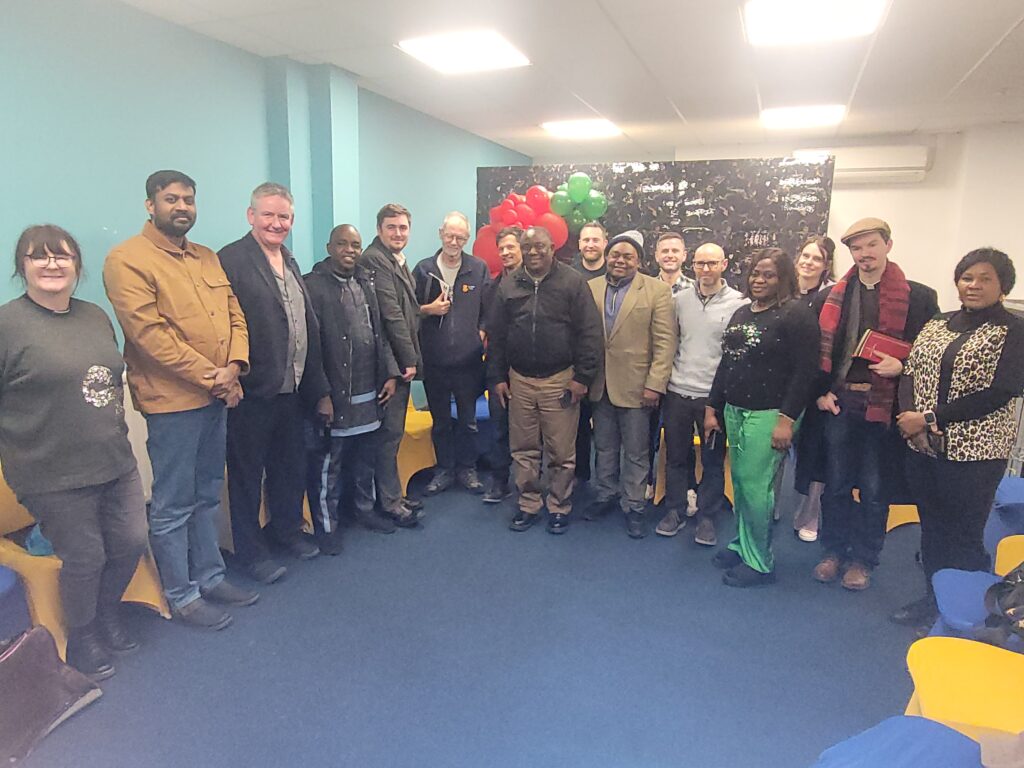
On 16 December, Christ Apostolic Church Kingsrealm, Middlesbrough, hosted the Middlesbrough Church Leaders Meeting, bringing together church leaders and community stakeholders to strengthen collaboration between faith communities and the local authority. The meeting created a vital platform for honest dialogue around youth engagement, community cohesion, substance misuse, housing challenges, and interfaith unity.
The presence of the Mayor of Middlesbrough, Chris Cooke, highlighted the growing recognition of faith communities as key partners in prevention work, peace-building, and grassroots engagement across the town.
Faith Communities Address Youth Challenges and Community Realities
Church leaders shared practical experiences from their work within local communities, particularly their engagement with young people. Several leaders testified that consistent relationship-building has resulted in noticeable behavioural change among young people who previously felt disconnected or marginalised.
One powerful example involved a church member in Grangetown who had been attacked by young people and was forced to consider relocation. Through coordinated advocacy by the church and support from the council, the individual was able to remain safely in the community—demonstrating the tangible impact of church–council collaboration.
Another leader shared how church support for a vulnerable young woman in Middlesbrough led to positive outcomes not only for her, but also for the wider community. While celebrating these successes, leaders acknowledged that such interventions often remain isolated within individual churches. There was strong agreement on the need to share best practices, enabling effective approaches to be replicated across Middlesbrough rather than remaining in silos.
Concerns were also raised about youth substance abuse, with leaders describing the alarming accessibility of drugs and the sense of hopelessness expressed by some young people. These challenges were linked to housing environments, prompting calls for closer partnership between the council and faith leaders already working at grassroots level.

Peace-Building, Interfaith Unity, and the Council’s Commitment
Several leaders spoke about street-level tensions, particularly among young people. Churches shared how they intentionally keep their doors open as safe spaces, while others described structured youth sessions where teenagers are encouraged to express frustrations related to school pressures, discrimination, and community conflict.
These sessions focus on listening, emotional regulation, mentoring, and reframing responses, helping young people return to their communities with messages of peace and non-violence. Leaders strongly agreed that visible unity among churches and faith groups is essential to preventing escalation of tensions and modelling peaceful coexistence.
Mayor Chris Cooke responded by outlining the council’s work on housing, homelessness, and substance misuse, including plans for 3,500 new homes in Middlehaven and the development of a council-owned homelessness centre aimed at providing more effective pathways to stability.
He also highlighted a new transition team that will begin supporting young people before they turn 18, helping prevent housing crises rather than reacting after they occur. The Mayor affirmed the council’s commitment to ongoing dialogue with faith leaders, recognising their critical role in community wellbeing, prevention, and peace-building.
Bridge Builders Programme and Next Steps
A key highlight of the meeting was the introduction of the Bridge Builders Programme, presented by Neil. The initiative focuses on conflict transformation, relational skills, and building networks of trust that strengthen community resilience. A free six-week training programme starting in January was announced, with strong encouragement for faith leaders to participate and mobilise volunteers.
The meeting concluded with clear action points, including:
- Participation in the Bridge Builders training programme
- Planning a joint interfaith music concert for Easter 2026
- Continued regular interfaith meetings focused on action and shared learning
- Developing a unified interfaith voice around peace, cohesion, poverty reduction, and employability
- Expanding engagement with leaders of other faith traditions across Middlesbrough
Conclusion
The Middlesbrough Church Leaders Meeting marked a significant step forward in faith-based collaboration, interfaith unity, and partnership with local government. Discussions were constructive, solution-focused, and rooted in a shared desire to build safer, more connected communities.
The meeting reinforced the vital role of churches and faith organisations in youth engagement, prevention, peace-building, and social transformation, while affirming the council’s openness to sustained partnership. With practical initiatives like the Bridge Builders Programme and plans for collective action, the gathering laid a strong foundation for continued collaboration and lasting impact across Middlesbrough.